Qunya Typeface Review for Elegant Branding
When I opened a blank brand board for a local artisanal bakery last week, I knew the standard sans serif options wouldn't cut it. The client wanted warmth, tradition, and a touch of handmade elegance. That is when I pulled up Qunya, a display serif with a calligraphy style that immediately changed the tone of the project. As an experienced brand designer, I have tested hundreds of fonts, but few manage to balance structural integrity with artistic flair as effectively as this one. In this review, I will walk you through how Qunya performs in real-world scenarios, from logo drafts to packaging mockups, helping you decide if these fonts belong in your creative toolkit.
Testing Qunya for Logo Design and Brand Identity
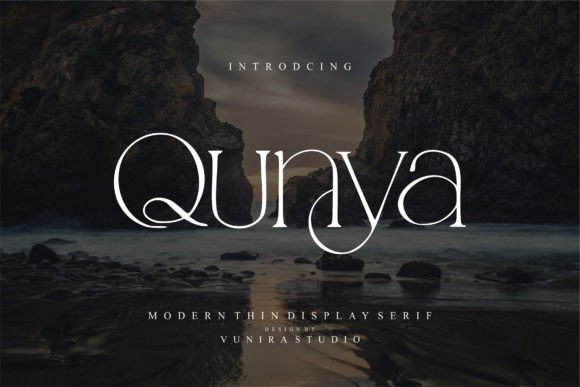
The first place I always test a new typeface is in a logo concept. For the bakery project, I needed something that felt established yet approachable. Qunya is a display serif with a calligraphy style, which means it carries the weight and authority of traditional serif fonts while offering the fluidity of hand-lettering. When I typed out the business name, the letters connected with a natural rhythm that didn't feel forced or overly decorative. This is crucial for branding materials because a logo needs to be memorable without sacrificing legibility.
Unlike many script fonts that become illegible at smaller sizes, Qunya maintains its character. The serifs are distinct enough to ground the design, preventing it from looking too floaty or informal. I found that it worked exceptionally well for businesses that rely on trust and craftsmanship, such as boutique hotels, skincare lines, or high-end cafes. If you are building a brand identity that needs to convey premium quality, Qunya provides that instant visual cue of sophistication. It is not just a font; it is a statement piece that anchors the entire visual system.
Using Qunya for Wedding Invitations and Greeting Cards
One of the most obvious applications for Qunya is in the world of paper goods. I recently used it for a set of wedding invitations, and the result was stunning. Qunya is a display serif with a calligraphy style, making it ideal for invitations, greeting cards, and other sentimental print materials. The calligraphic influence gives each letter a sense of movement, as if it were written by a master penman, yet the digital precision ensures consistency across the entire suite.
When designing greeting cards, the emotional impact of the typography is everything. Qunya delivers a mood that is both celebratory and intimate. I paired it with a clean, thin sans serif for the body text to create a strong contrast. This combination allowed Qunya to shine as the hero element on the cover, drawing the eye immediately to the names or the main message. For designers working in the wedding or event industry, this font is a reliable choice for creating layouts that feel personal and curated rather than templated.
Qunya on Packaging Mockups and Product Labels
Moving from paper to product, I applied Qunya to a series of packaging mockups for a small-batch coffee roaster. The challenge here was ensuring the font remained impactful on a curved surface and at various scales. Qunya performed surprisingly well. Because it is a display serif, it commands attention on shelves where dozens of other brands compete for visibility. The thick strokes and elegant terminals stand out against minimalist backgrounds, making it perfect for labels on jars, bottles, and boxes.
However, I did notice that Qunya works best as an accent font rather than a primary information carrier. For ingredient lists or detailed instructions, I switched to a highly readable sans serif. But for the brand name and key product descriptors on the front of the package, Qunya added a layer of artisanal credibility. It suggests that the product inside is crafted with care, which is exactly the perception many small business owners want to cultivate. If you are designing packaging for handmade goods, luxury foods, or beauty products, this font can elevate the perceived value of the item significantly.
Designing Posters and Social Media Graphics with Qunya
In the digital realm, Qunya translates beautifully to social media graphics and posters. I created a series of Instagram posts featuring inspirational quotes, and Qunya turned simple text into shareable art. Qunya is a display serif with a calligraphy style, so it looks beautiful on posters and quotes where the text is the main visual element. The font’s inherent drama makes it perfect for headlines that need to stop the scroll.
When using Qunya for web design headers or digital ads, I recommend keeping the background clean. The intricate details of the calligraphy style can get lost if placed over busy textures or low-contrast images. I found that pairing it with ample white space allowed the letters to breathe and showcased their unique shapes. For content creators and marketers, this font offers a way to maintain brand consistency across platforms while adding a touch of editorial elegance to everyday posts.
Pairing Qunya with Other Fonts for Visual Harmony
No font exists in a vacuum, and Qunya is no exception. To get the most out of these fonts, you need to understand how to pair them. Since Qunya is a serif with strong personality, it pairs best with neutral, geometric sans serifs. I often use fonts like Montserrat or Lato for body copy to let Qunya take center stage in headings and logos. Avoid pairing it with other decorative or script fonts, as this can create visual clutter and reduce readability.
For a more traditional look, you might experiment with pairing Qunya with a classic old-style serif for body text, but keep the sizes distinct to maintain hierarchy. The key is contrast. Qunya brings the emotion and the hook; your secondary font should bring the clarity and structure. This balance ensures that your branding materials, business cards, and websites remain professional and easy to navigate while still feeling unique and stylish.
Practical Licensing and Usage Considerations for Designers
Before you download Qunya for your next client project, it is essential to review the licensing terms. As a professional designer, I always check whether the font license covers commercial use, especially for items like merchandise, packaging, and web embedding. While Qunya is versatile, understanding the legal boundaries ensures you protect both yourself and your client. Additionally, test the font in your specific design software to ensure all glyphs and alternates are accessible. Some design programs handle OpenType features differently, so a quick test run on a sample layout can save you time later. By treating Qunya as a premium asset in your library, you can leverage its full potential to create compelling, high-quality design work that stands out in a crowded market.